The Acoustics of Cedar: Living in Historic Kyoto Ryokans
Published November 02, 2024 • By Elena Rostova • 7 min read
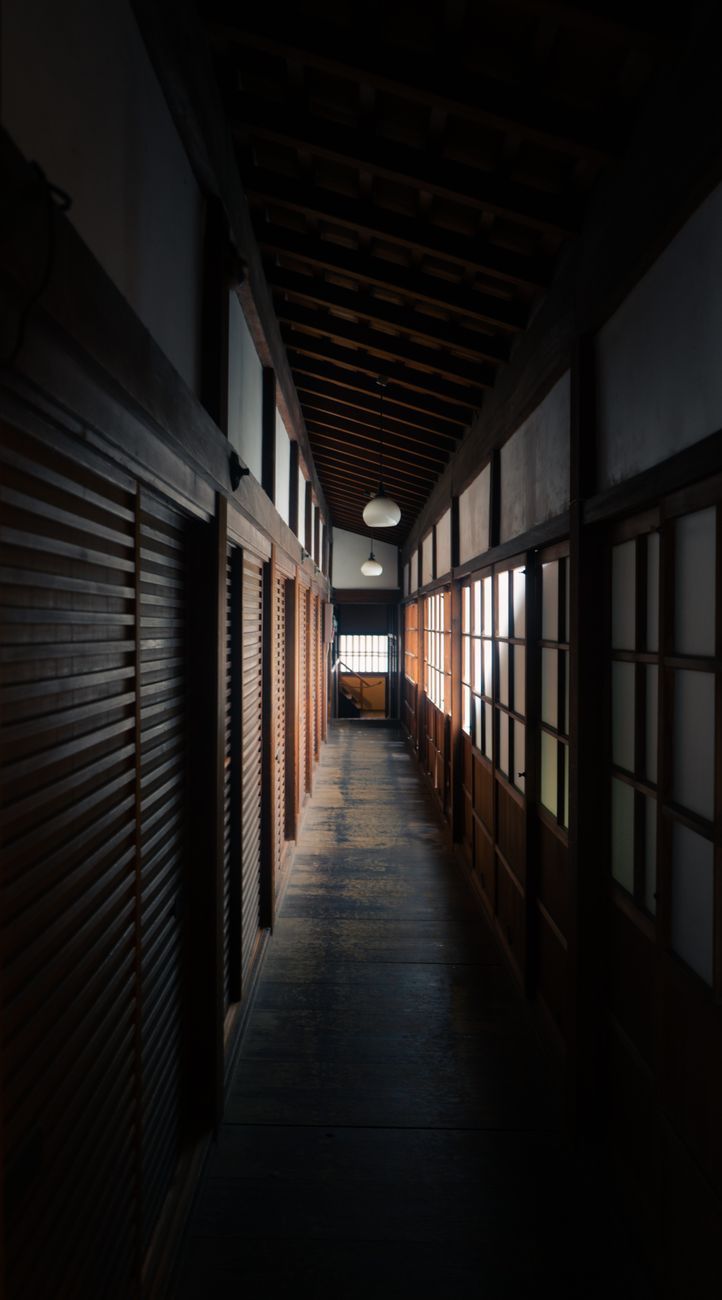
In a classic ryokan, one does not simply enter a room; one slips inside an acoustic instrument built from seasoned cypress, straw tatami, and washi paper.
Kyoto in autumn is famous for its maple canopies, but the true spirit of the ancient capital lives inside the hushed interior of its historic wooden inns. Stepping out of street footwear and onto polished cedar boards, the body intuitively slows down its cadence. Footfalls become quiet murmurs. The scent of wood oil and dried rush straw creates an immediate sensory anchor.
The Subtle Hierarchy of Light and Shadow
As Junichiro Tanizaki articulated in his classic essay on aesthetics, beauty in Japanese living spaces emerges from the delicate gradations of shade. Shoji screens do not illuminate a chamber with direct glare; they diffuse sunlight into a tender, milky luminescence that softens every edge.
Sitting on the floor, one observes the subtle shifts in illumination across the alcove (tokonoma), where a single ceramic vase holds an unpretentious branch of persimmon. The absence of clutter creates space for profound contemplation.
Ryokan Etiquette & Mindful Presence
- Arrive before sunset to experience the seasonal tea service in natural dusk.
- Silence mobile notifications to appreciate the sound of rain on garden gravel.
- Respect the bathing rituals: wash thoroughly prior to entering the communal hinoki cedar bath.
The Gastronomy of Micro-Seasons
Dinner in the ryokan is not merely dining; it is a seasonal landscape served on lacquerware and stoneware. Known as kaiseki, the dishes reflect the immediate micro-season—perhaps grilled sweetfish, matsutake broth, or persimmon with sesame paste. Each element honors geography and craft, demonstrating that travel is at its finest when it tastes of the soil upon which you stand.