High Passes and Still Waters: An Alpine Solitude Chronicle
Published October 14, 2024 • By Julian Vance • 8 min read
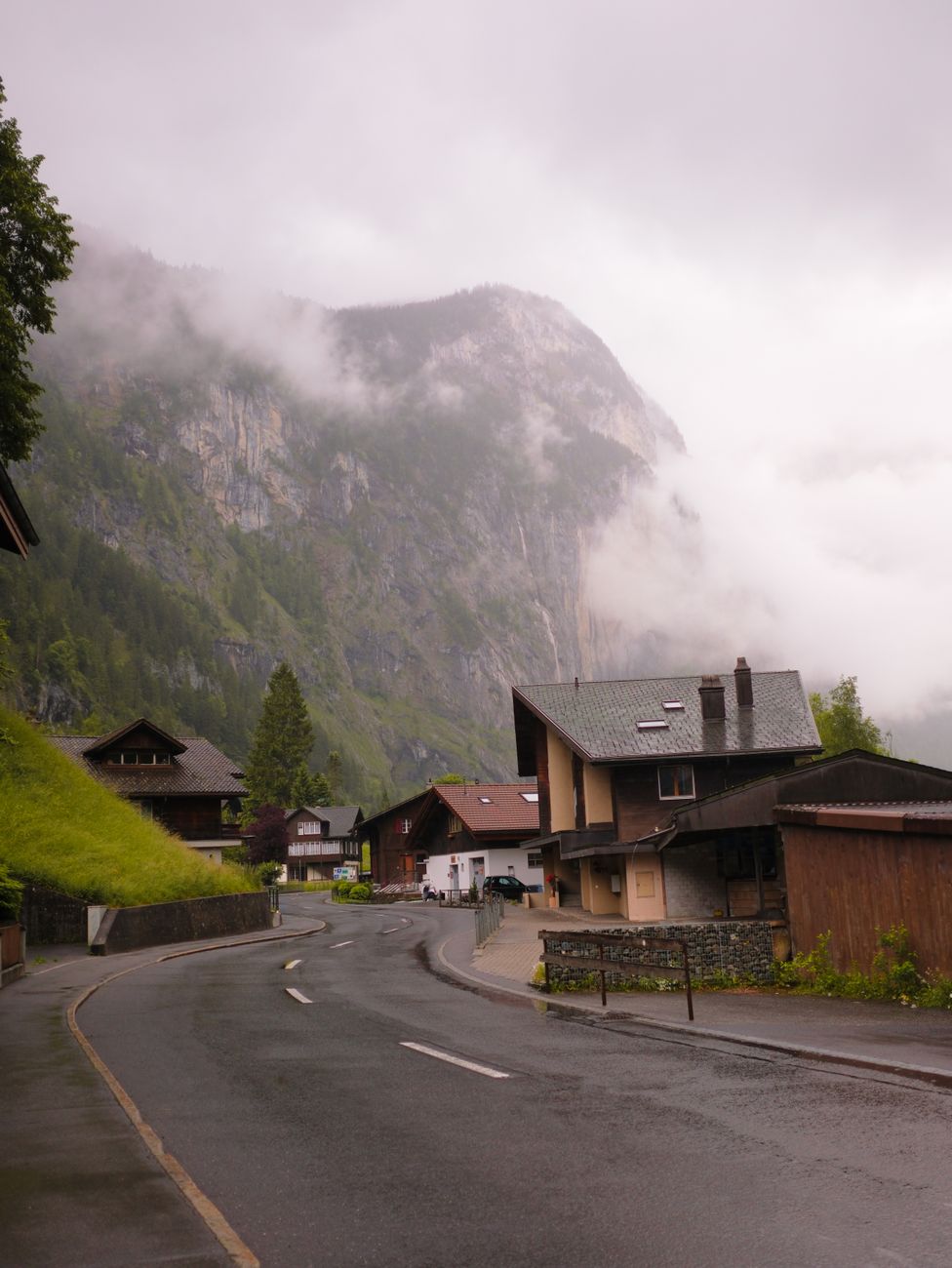
The mountain does not yield its secrets to those who measure distance in hurried strides. It requires an unhurried cadence, a deliberate pause when the mist crests the granite ridge at dawn.
Departing the Swiss cantons toward the quiet passes of the Italian borderlands, our journey began not with a rigid itinerary, but with a simple commitment to walk along historical trade trails. Above 2,200 meters, modern signals fade into the clean resonance of meltwater streams and glacial wind. Here, time assumes a tactile quality.
The Rhythm of Ascent
In high-altitude travel, fatigue is transformed when one surrenders the urge to conquer. Each step connects with shale, weathered limestone, and ancient pine needles. We stayed in stone refuge huts that have shielded travelers for three centuries, where cedar tables are warmed by iron stoves and meals consist of dark rye bread, aged alpine cheese, and mountain tea steeped from wild herbs.
These shelters represent the pinnacle of architectural necessity. There is no ornament beyond what is required to withstand winter avalanches and gale winds. In such minimalism, the mind clears of decorative anxiety.
Field Advice for High Alpine Walking
- Avoid peak summer seasons; travel in late September when the larch forests turn gold.
- Pack lightweight merino layers and waterproof journals to protect field notes from sudden cloud bursts.
- Always consult resident hut keepers regarding mountain pass snow conditions before morning departures.
Reflections on Still Water
By the fifth day, reaching the shores of an unnamed glacial tarn, the water was so glassy it reflected the precipitous face of the peak without a single ripple. In that absolute stillness, one recognizes that slow travel is fundamentally an act of reverence—an invitation to listen rather than broadcast.